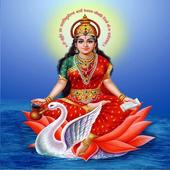
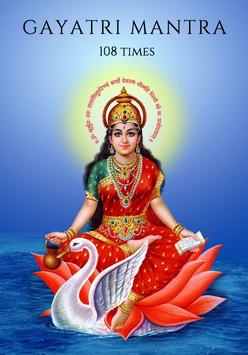
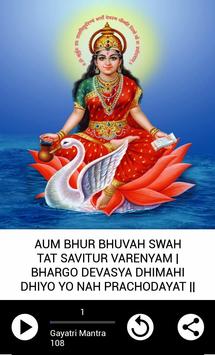
Gayatri Mantra (the mother of the vedas), the foremost mantra in hinduism and hindu beliefs, inspires wisdom. Its meaning is that “May the Almighty God illuminate our intellect to lead us along the righteous path”. Gayatri mantra is also a prayer to the “giver of light and life” – the sun (savitur).
Om Bhur Bhuvaḥ Swaḥ
Tat-savitur Vareñyaṃ
Bhargo Devasya Dhīmahi
Dhiyo Yonaḥ Prachodayāt
Word meaning: Om: The primeval sound; Bhur: the physical body/physical realm; Bhuvah: the life force/the mental realm Suvah: the soul/spiritual realm; Tat:
That (God); Savitur: the Sun, Creator (source of all life); Vareñyam: adore; Bhargo: effulgence (divine light); Devasya: supreme Lord; Dhīmahi: meditate; Dhiyo: the intellect; Yo: May this light; Nah: our; Prachodayāt: illumine/inspire.
Chanting of the Gayatri Mantra
The ideal times for chanting the Gayatri mantra are three times a day – at dawn, mid-day, and at dusk. These times are known as the three sandhyas – morning, mid-day and evening. The maximum benefit of chanting the mantra is said to be obtained by chanting it 108 times. However, one may chant it for 3, 9, or 18 times when pressed for time.
Gayatri is the Mother of all scriptures (Vedas). She is present, wherever Her name is chanted. She is very powerful. The One who nourishes the individual being is Gayatri. She bestows pure thoughts on anyone who worships Her. Gayatri is the embodiment of all Goddesses. Our very breath is Gayatri, our faith in existence is Gayatri. Gayatri has five faces, they are the five life principles. She has nine descriptions, they are ‘Om, Bhur, Bhuvah, Swah, Tat, Savitur, Vareñyaṃ, Bhargo, Devasya’. Mother Gayatri nourishes and protects every being and she channelizes our senses in the proper direction. ‘Dhīmahi’ means meditation. We pray to her to inspire us with good intelligence. ‘Dhīyo Yonah Prachodayāt’ - We beseech her to bestow on us everything we need. Thus Gayatri is a complete prayer for protection, nourishment and finally, liberation.
The Gayatri Mantra occupies a unique place in that it has both the power of mantra and of prarthana (prayer). It is important then in considering the Gayatri Mantra to distinguish the difference between these two deceptively similar words.
A prayer on the other hand does have a philosophical meaning behind it, and it is generally through this meaning that the prayer or prarthana has its power. Since this meaning can be easily understood, the method of prarthana is generally the form of worship used by most people.
The Gayatri, or Guru Mantra possesses both the power of mantra and the power of prarthana, and thus has both an intrinsic power (ie “mantra shakti”), through its mere utterance alone, and also an instrumental power (ie “prarthana shakti”), which is derived from the understanding of its meaning and philosophical significance. Hence, the repeated and correct chanting of the Gayatri Mantra, with proper understanding of its meaning, is believed to be of the greatest good to the individual.



9Apps 4.9